


2026.04.02
Light Taste – When Sunlight Affects Wine?
Sunlight is a key driver of grapevine growth, yet what creates value on the vine can become a risk in the bottle. Wine is sensitive to light: blue and UV-A light can trigger photochemical reactions that subtly alter aromas, producing the so-called “lightstruck taste.” This change is often invisible but can greatly affect the wine experience, particularly in white and rosé wines.

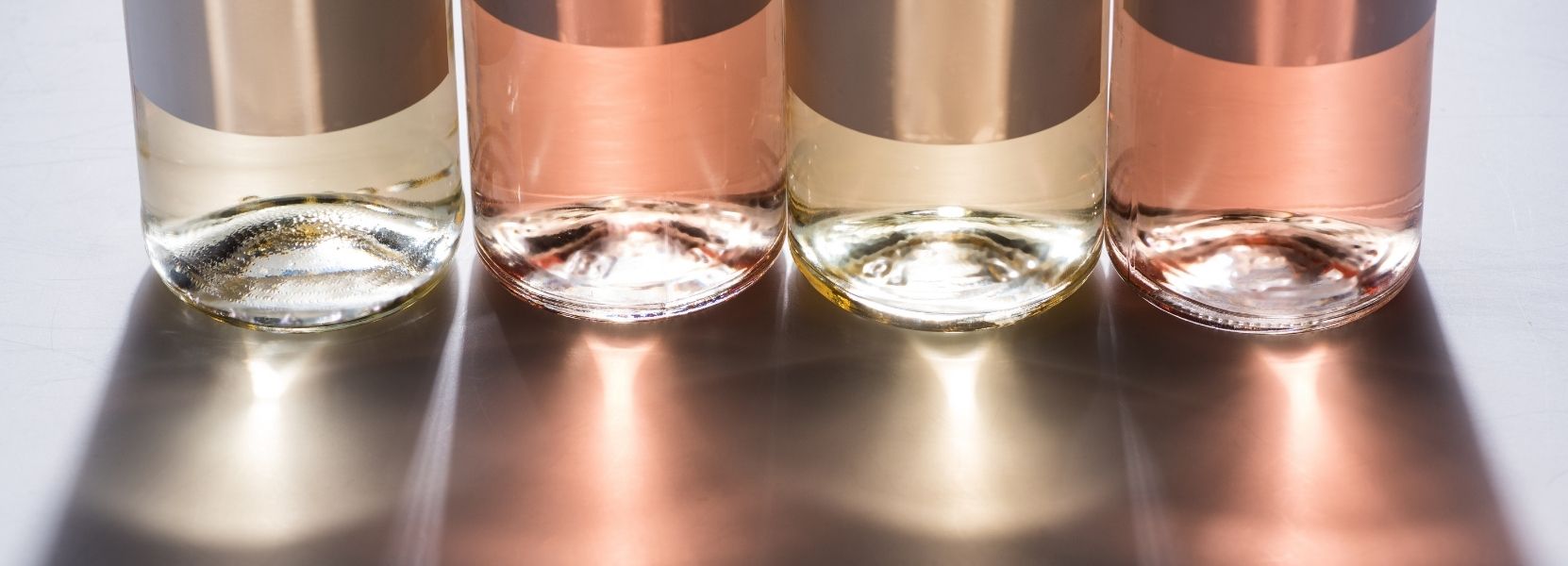
Sunlight is essential for grape development: it determines ripening, aroma formation, and ultimately the wine’s character. However, specific wavelengths in the bottle can initiate unwanted photochemical reactions, degrading aromas.
At first glance, the wine-light relationship may seem purely aesthetic: the appearance of the bottle, glass color, and transparency. In reality, light — especially in the blue and UV-A range — actively influences the wine’s structure and aroma profile. This phenomenon, known internationally as lightstruck taste, primarily affects white and rosé wines. Sensory recognition of lightstruck wine is straightforward if one knows what to look for. Fresh, fruity notes fade or disappear, replaced by sulfurous aromas reminiscent of cooked
cabbage, onions, or wet wool. These odors are not classic reductive faults but are equally unpleasant, especially in otherwise clean wines. The underlying photochemical process is well-documented. Riboflavin (vitamin B₂) in wine
absorbs light, becomes excited, and reacts with certain amino acids, primarily methionine. This generates volatile sulfur compounds such as methanethiol and dimethyl disulfide, which cause intense, unpleasant odors even at very low concentrations. The process is faster when the wine is in a clear or light-colored bottle and exposed to strong light, such as store lighting
or sunlight. From the consumer perspective, the challenge is that light damage is often visually subtle. Wine color may remain unchanged while the aroma profile deteriorates. This can be misleading in wines with inherently restrained aromatic intensity: slightly affected wine may seem “flat” without obvious faults.
Interestingly, not all wines are equally susceptible. Red wines are somewhat protected by higher phenolic content, which absorbs part of the harmful radiation. In contrast, light, reductive-style white wines, such as certain Italian Riesling or Sauvignon Blanc, are particularly sensitive. Sparkling wines also require careful attention, as they are often bottled in clear glass to preserve fresh aromas. The lightstruck issue extends beyond winemaking to the entire value chain: bottling, transportation, and retail display. A wine that was perfect in the cellar can deteriorate noticeably after a few days of intense light exposure. This is particularly relevant in modern retail environments, where strong LED lighting and clear bottles are common. For consumers, the lesson is simple but important: wine is sensitive to light. To preserve quality, avoid prolonged exposure to strong light, especially for white and rosé wines. This is
why Wine&Sofi wines use paper packaging — not only an aesthetic choice but also a conscious decision to protect quality.
References
Furet, A., Sicello, A., Guillemat, B., Absalon, C., Langleron, E., & Bassani, D. M. (2021). Revisiting the mechanism responsible for the light-struck flavor in white wines and Champagnes. Food Chemistry, 372, 131281.
Fracassetti, D., Di Canito, A., Bodon, R., Messina, N., Vigentini, I., Foschino, R., & Tirelli, A. (2021). Light-struck taste in white wine: Reaction mechanisms, preventive strategies and future perspectives to preserve wine quality. Trends in Food Science and Technology, 112, 547–558.
Laposa, Zs., Keszei, E. (2023). Palackozott borok eltarthatósága a megvilágító fény és a palack anyagának függvényében. Biokémia, XLVII(1), 32–49.
Laposa, Zs., Vesztergom, S., Kocsis, M., Keszei, E. (2023). In situ measurement of light transmission into wine bottles and calculation of shelf life. OENO One, 57(1), 265–277.